
Interned Marian Price Murdered by British Like Maire Drumm? Censored ?
 international | rights and freedoms | news report
  Thursday August 16, 2012 05:27
 by BrianClarkeNUJ - AllVoices
Internment or Assassination ?
"The only people worthy of freedom are those who are prepared to go out and fight for it every day, and die if necessary." Maire Drumm, assassinated by British sponsored loyalists while in Belfast's Mater Hospital.
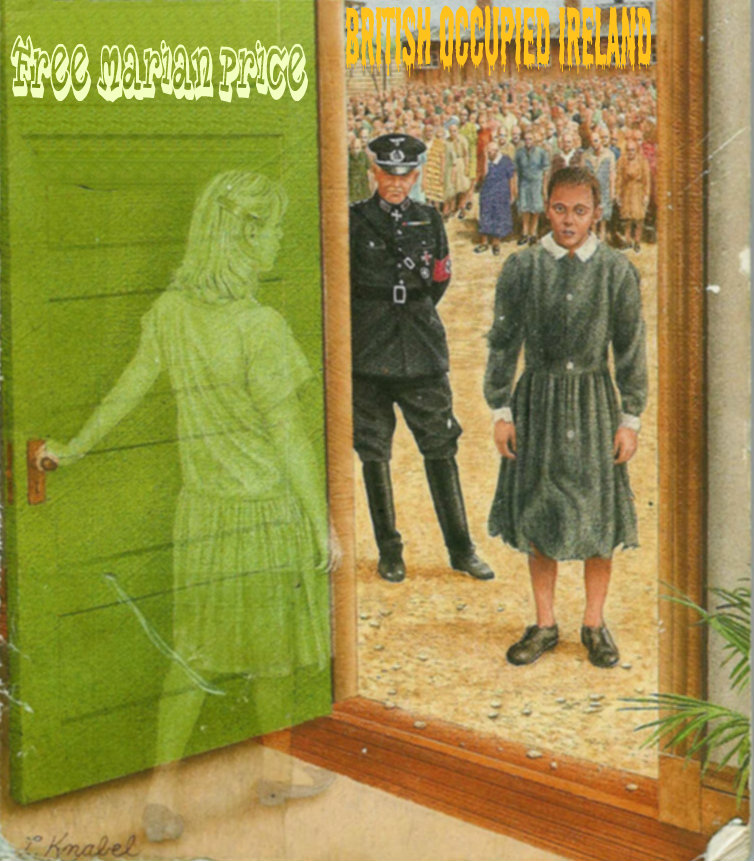
"The only people worthy of freedom are those who are prepared to go out and fight for it every day, and die if necessary." Maire Drumm, assassinated by British sponsored loyalists while in Belfast's Mater Hospital.
40 years after being featured on TIME magazine as Ulster's Price Sisters; Breaking the Long Fast, Dolours and Marian Price are still in the news with Dolours now dragged into the row over the Boston Tapes, while her sister Marian is interned without trial and at the centre of growing international protests for her release, with great concern about her physical health of pneumonia and considerable psychological damage, after almost a year of sensory deprivation torture and currently almost more than a year interned without trial.
Marian Price was interned last year by the unelected vice royal Paterson, Marian had been released in 1980 under a royal prerogative weighing 5st 10lb suffering anorexia nervosa and other serious illnesses as a result of more than 6 months force feeding ,while serving seven years incarceration, as a political prisoner of conscience. Dolours Price was dragged into the saga of the Boston Tapes project for activity under orders of her then IRA commander Gerry Adams, which the Provisional Sinn Féin president still denies. She has said, “I have put that away to the back of my head; it will run and run, and let it run, and I will not lose a night’s sleep over it” but she says, she is “completely distraught” about her younger sister..
The two sisters are opposed in political conscience to the 'Process' regarding it as a sell-out of traditional Irish Republican principles. Their hunger strike lasting more than 200 days while they were force-fed, was a critical issue during the political struggle for self determination by the Irish against British occupation, resulting in the sisters being pardoned by the Queen and other IRA members being transferred to prisons in British Occupied Ireland.Vice royal Patterson maintains the pardons are either lost or shredded without copy but still a maintains the pardons conditionality despite their disappearance and not having seen any document. Interfering with royal pardons without investigation constitutes perverting the course of justice, which carries a life sentence in prison.
Marian who was transferred from Maghaberry Prison outside Lisburn to Hydebank Prison in Belfast and is now in a Belfast hospital still in custody. Another Irish republican colleague Maire Drumm was shot dead by a British sponsored loyalist hit squad while also in a Belfast hospital. United Nations doctors who have examined Marian have reported she is “unable to comprehend the allegations being made against her to sufficient degree to inform her defence” and “she would be unable to follow the evidence in her own hearing as she lacks the ability to attend to detailed evidence”.
Aside from human rights issues, concerning the internment without trial of Marian Price, the order for her release not just by the queen but by several judges, she is in considerable daily physical pain with arthritis and is still close to death with pneumonia. Marian is suffering from several ailments directly related to her force feeding, internment and her sensory deprivation torture while in solitary confinement for almost a year. The British were found guilty of torture by the International Court of Human rights of interned prisoners, where they have failed to keep their promises to end torture in the sae way they are systematically breaking the promises made in their sabotaged peace process
Marian is justifiably within an extremely stressful siege mentality in such circumstances, bearing in mind the murder of her colleague while in hospital by the British previously. She faces execution by a British hit squad at any moment, like Maire Drumm and Maired Farrell who was also murdered while unarmed with her hands raise above her head, by the British SAS with specific orders to murder. This is considerable ongoing psychological torture for the 58 year old Marian and in the absence of any tangible evidence against her, demands her immediate release.
The reality however for Marian is that, even should she be released within British Occupied Ireland, as someone opposed to occupation of their own country in principle, it is an open air prison anyway, without due process or permitted opposition to British rule either on the street or even within its one party parliament The internement of Marian price is also proof that even due process is not legally permitted. Neither is the fourth estate, that other requirement of any democracy permitted with rampant censorship coupled with disinformation and doctored photographs.
Meanwhile Marian's sisters Dolours says she is “heartbroken.” “We formed bonds in English prisons and in Irish prison that can never be broken. I hope and trust she will find the strength and courage to keep on going.” Leading Irish politicians, writers and human rights activists have written the following letter to those concerned in the matter:
We wish to draw your attention to the continued detention of Marian Price, which we feel constitutes an alarming breach of human and civil rights.
Ms Price had previously served a long jail sentence in England and in the North and was released and pardoned in 1980 due to ill-health resulting from force-feeding over many months in 1973 and 1974.
Ms Price was arrested in May 2011 on the basis of charges, which have since been dismissed. At the time she was granted bail for those charges and has also been granted bail on subsequent charges brought against her, yet she remains imprisoned by order of Owen Paterson, British Secretary of State, who claimed to revoke her licence.
Ms Price’s health and welfare are at the forefront of this campaign and she has been declared too ill to attend court after spending more than a year in isolation. Ms Price is the victim of psychological torture and internment without trial, and as a result of this her mental health and physical health has deteriorated rapidly. Given concerns about her very poor health, we are calling for her immediate release based on humanitarian grounds. – Yours, etc,
Msgr RAYMOND MURRAY, Human Rights Activist; Fr PETER MCVERRY SJ, Centre for Faith and Justice; Fr SEÁN MCMANUS, President of the Irish National Caucus, US; MARGARETTA D’ARCY, Aosdána/Women In Media Entertainment; ÉAMON Ó CUÍV TD; MAUREEN O’SULLIVAN TD; THOMAS PRINGLE TD; JOAN COLLINS TD; RICHARD BOYD BARRETT TD; JOHN BROWNE TD; GERRY ADAMS TD; MARTIN FERRIS TD; DESSIE ELLIS TD; SÉAN CROWE TD; MICHAEL COLREAVY TD; JONATHAN O’BRIEN TD; MARY LOU MCDONALD TD; PEARSE DOHERTY TD; SANDRA McLELLAN TD; BRIAN STANLEY TD; PADRAIG MACLOCHLAINN TD; AENGUS O’SNODAIGH TD; CAOIMHGHÍN Ó CAOLÁIN TD; PEADAR TOIBÍN TD; JOE HIGGINS TD; CLARE DALY TD; Councillors: LOUISE MINIHAN; MANNIX FLYNN; Cllr CHRISTY BURKE; CIERAN PERRY; MELISA HALPIN; BRID SMITH; HUGH LEWIS; NIALL RING; ANNA QUIGLEY; PAT DUNNE; VINCENT JACKSON; DAMIEN O’FARRELL; Senators: LABHRÁS Ó MURCHÚ; JIM WALSH; KATHRYN REILLY; DAVID CULLINANE; TREVOR O’CLOCHARTAIGH; DARRAGH O’BRIEN; BRIAN Ó DOMHNAILL; and Dr FÉILIM Ó hADHMAILL, School of Applied Social Studies, UCC; Dr CIARÁN DAWSON, Centre for Oral Irish, UCC; Dr ÓRLA O’DONOVAN, School of Applied Social Studies, UCC Dr KIERAN ALLEN, School of Sociology, UCD,
40 years after being featured on TIME magazine as Ulster's Price Sisters; Breaking the Long Fast, Dolours and Marian Price are still in the news with Dolours now dragged into the row over the Boston Tapes, while her sister Marian is interned without trial and at the centre of growing international protests for her release, with great concern about her physical health of pneumonia and considerable psychological damage, after almost a year of sensory deprivation torture and currently almost more than a year interned without trial.
Marian Price was interned last year by the unelected vice royal Paterson, Marian had been released in 1980 under a royal prerogative weighing 5st 10lb suffering anorexia nervosa and other serious illnesses as a result of more than 6 months force feeding ,while serving seven years incarceration, as a political prisoner of conscience. Dolours Price was dragged into the saga of the Boston Tapes project for activity under orders of her then IRA commander Gerry Adams, which the Provisional Sinn Féin president still denies. She has said, “I have put that away to the back of my head; it will run and run, and let it run, and I will not lose a night’s sleep over it” but she says, she is “completely distraught” about her younger sister..
The two sisters are opposed in political conscience to the 'Process' regarding it as a sell-out of traditional Irish Republican principles. Their hunger strike lasting more than 200 days while they were force-fed, was a critical issue during the political struggle for self determination by the Irish against British occupation, resulting in the sisters being pardoned by the Queen and other IRA members being transferred to prisons in British Occupied Ireland.Vice royal Patterson maintains the pardons are either lost or shredded without copy but still a maintains the pardons conditionality despite their disappearance and not having seen any document. Interfering with royal pardons without investigation constitutes perverting the course of justice, which carries a life sentence in prison.
Marian who was transferred from Maghaberry Prison outside Lisburn to Hydebank Prison in Belfast and is now in a Belfast hospital still in custody. Another Irish republican colleague Maire Drumm was shot dead by a British sponsored loyalist hit squad while also in a Belfast hospital. United Nations doctors who have examined Marian have reported she is “unable to comprehend the allegations being made against her to sufficient degree to inform her defence” and “she would be unable to follow the evidence in her own hearing as she lacks the ability to attend to detailed evidence”.
Aside from human rights issues, concerning the internment without trial of Marian Price, the order for her release not just by the queen but by several judges, she is in considerable daily physical pain with arthritis and is still close to death with pneumonia. Marian is suffering from several ailments directly related to her force feeding, internment and her sensory deprivation torture while in solitary confinement for almost a year. The British were found guilty of torture by the International Court of Human rights of interned prisoners, where they have failed to keep their promises to end torture in the sae way they are systematically breaking the promises made in their sabotaged peace process
Marian is justifiably within an extremely stressful siege mentality in such circumstances, bearing in mind the murder of her colleague while in hospital by the British previously. She faces execution by a British hit squad at any moment, like Maire Drumm and Maired Farrell who was also murdered while unarmed with her hands raise above her head, by the British SAS with specific orders to murder. This is considerable ongoing psychological torture for the 58 year old Marian and in the absence of any tangible evidence against her, demands her immediate release.
The reality however for Marian is that, even should she be released within British Occupied Ireland, as someone opposed to occupation of their own country in principle, it is an open air prison anyway, without due process or permitted opposition to British rule either on the street or even within its one party parliament The internement of Marian price is also proof that even due process is not legally permitted. Neither is the fourth estate, that other requirement of any democracy permitted with rampant censorship coupled with disinformation and doctored photographs.
Meanwhile Marian's sisters Dolours says she is “heartbroken.” “We formed bonds in English prisons and in Irish prison that can never be broken. I hope and trust she will find the strength and courage to keep on going.” Leading Irish politicians, writers and human rights activists have written the following letter to those concerned in the matter:
We wish to draw your attention to the continued detention of Marian Price, which we feel constitutes an alarming breach of human and civil rights.
Ms Price had previously served a long jail sentence in England and in the North and was released and pardoned in 1980 due to ill-health resulting from force-feeding over many months in 1973 and 1974.
Ms Price was arrested in May 2011 on the basis of charges, which have since been dismissed. At the time she was granted bail for those charges and has also been granted bail on subsequent charges brought against her, yet she remains imprisoned by order of Owen Paterson, British Secretary of State, who claimed to revoke her licence.
Ms Price’s health and welfare are at the forefront of this campaign and she has been declared too ill to attend court after spending more than a year in isolation. Ms Price is the victim of psychological torture and internment without trial, and as a result of this her mental health and physical health has deteriorated rapidly. Given concerns about her very poor health, we are calling for her immediate release based on humanitarian grounds. – Yours, etc,
Msgr RAYMOND MURRAY, Human Rights Activist; Fr PETER MCVERRY SJ, Centre for Faith and Justice; Fr SEÁN MCMANUS, President of the Irish National Caucus, US; MARGARETTA D’ARCY, Aosdána/Women In Media Entertainment; ÉAMON Ó CUÍV TD; MAUREEN O’SULLIVAN TD; THOMAS PRINGLE TD; JOAN COLLINS TD; RICHARD BOYD BARRETT TD; JOHN BROWNE TD; GERRY ADAMS TD; MARTIN FERRIS TD; DESSIE ELLIS TD; SÉAN CROWE TD; MICHAEL COLREAVY TD; JONATHAN O’BRIEN TD; MARY LOU MCDONALD TD; PEARSE DOHERTY TD; SANDRA McLELLAN TD; BRIAN STANLEY TD; PADRAIG MACLOCHLAINN TD; AENGUS O’SNODAIGH TD; CAOIMHGHÍN Ó CAOLÁIN TD; PEADAR TOIBÍN TD; JOE HIGGINS TD; CLARE DALY TD; Councillors: LOUISE MINIHAN; MANNIX FLYNN; Cllr CHRISTY BURKE; CIERAN PERRY; MELISA HALPIN; BRID SMITH; HUGH LEWIS; NIALL RING; ANNA QUIGLEY; PAT DUNNE; VINCENT JACKSON; DAMIEN O’FARRELL; Senators: LABHRÁS Ó MURCHÚ; JIM WALSH; KATHRYN REILLY; DAVID CULLINANE; TREVOR O’CLOCHARTAIGH; DARRAGH O’BRIEN; BRIAN Ó DOMHNAILL; and Dr FÉILIM Ó hADHMAILL, School of Applied Social Studies, UCC; Dr CIARÁN DAWSON, Centre for Oral Irish, UCC; Dr ÓRLA O’DONOVAN, School of Applied Social Studies, UCC Dr KIERAN ALLEN, School of Sociology, UCD,

marian price - sunday sequence bbc 22 july 2012 part 1
by J Thu Aug 16, 2012 11:25
In her open letter Mairead states that the treatment of Marian Price is cruel, inhumane and amounts to torture. Her detention for political offences committed nearly forty years ago is a serious violation of her human rights, she says. Marian had been pardoned for the offences.
Marian is now seriously ill in prison and her 14 month detention, (twelve in solitary) is a blank disregard for due process and and a violation of the Good Friday Agreement.
The full text of Mairead's Open Letter is as follows:
"OPEN LETTER TO BRITISH SECRETARY OF STATE FOR NORTHERN IRELAND
MR. OWEN PATERSON
Dear Mr.Paterson,
CALL FOR THE IMMEDIATE RELEASE ON HEALTH, HUMANITARIAN, AND JUSTICE GROUNDS OF MARIAN PRICE.
I write to you regarding the continued immoral and illegal internment of Marian Price. As you are well aware Marian has spent over fourteen months, in prison, twelve of which were spent in forced isolation, and she is at present seriously ill and held under armed guard in an isolated hospital ward.
This treatment is cruel and inhumane and amounts to torture as the words of the UN Special Rapporteur Juan Mendez on torture states: “indefinite and prolonged solitary confinement in excess of 15 days should be subject to an absolute prohibition”.
The illegal detention of Marian Price for political offences committed nearly forty years ago, and for which she was pardoned, is a serious violation of her human rights,a blank disregard for due process and a violation of our ‘the Good Friday Agreement’.
Unanimous medical opinions confirm Marian Price is unable to participate in any legal Proceedings due to her rapidly deteriorating health and as this is the case, and also in the interests of truth and justice, I write to request that this seriously ill women be released immediately to her family.
Yours sincerely,
Mairead Maguire
13th August, 2012"
Marian is now seriously ill in prison and her 14 month detention, (twelve in solitary) is a blank disregard for due process and and a violation of the Good Friday Agreement.
The full text of Mairead's Open Letter is as follows:
"OPEN LETTER TO BRITISH SECRETARY OF STATE FOR NORTHERN IRELAND
MR. OWEN PATERSON
Dear Mr.Paterson,
CALL FOR THE IMMEDIATE RELEASE ON HEALTH, HUMANITARIAN, AND JUSTICE GROUNDS OF MARIAN PRICE.
I write to you regarding the continued immoral and illegal internment of Marian Price. As you are well aware Marian has spent over fourteen months, in prison, twelve of which were spent in forced isolation, and she is at present seriously ill and held under armed guard in an isolated hospital ward.
This treatment is cruel and inhumane and amounts to torture as the words of the UN Special Rapporteur Juan Mendez on torture states: “indefinite and prolonged solitary confinement in excess of 15 days should be subject to an absolute prohibition”.
The illegal detention of Marian Price for political offences committed nearly forty years ago, and for which she was pardoned, is a serious violation of her human rights,a blank disregard for due process and a violation of our ‘the Good Friday Agreement’.
Unanimous medical opinions confirm Marian Price is unable to participate in any legal Proceedings due to her rapidly deteriorating health and as this is the case, and also in the interests of truth and justice, I write to request that this seriously ill women be released immediately to her family.
Yours sincerely,
Mairead Maguire
13th August, 2012"







As i also have failed two or three times to make contact to report the difficulty, i am posting a comment here. If it works, I will try to post my own news story as another comment.